Why Goats?
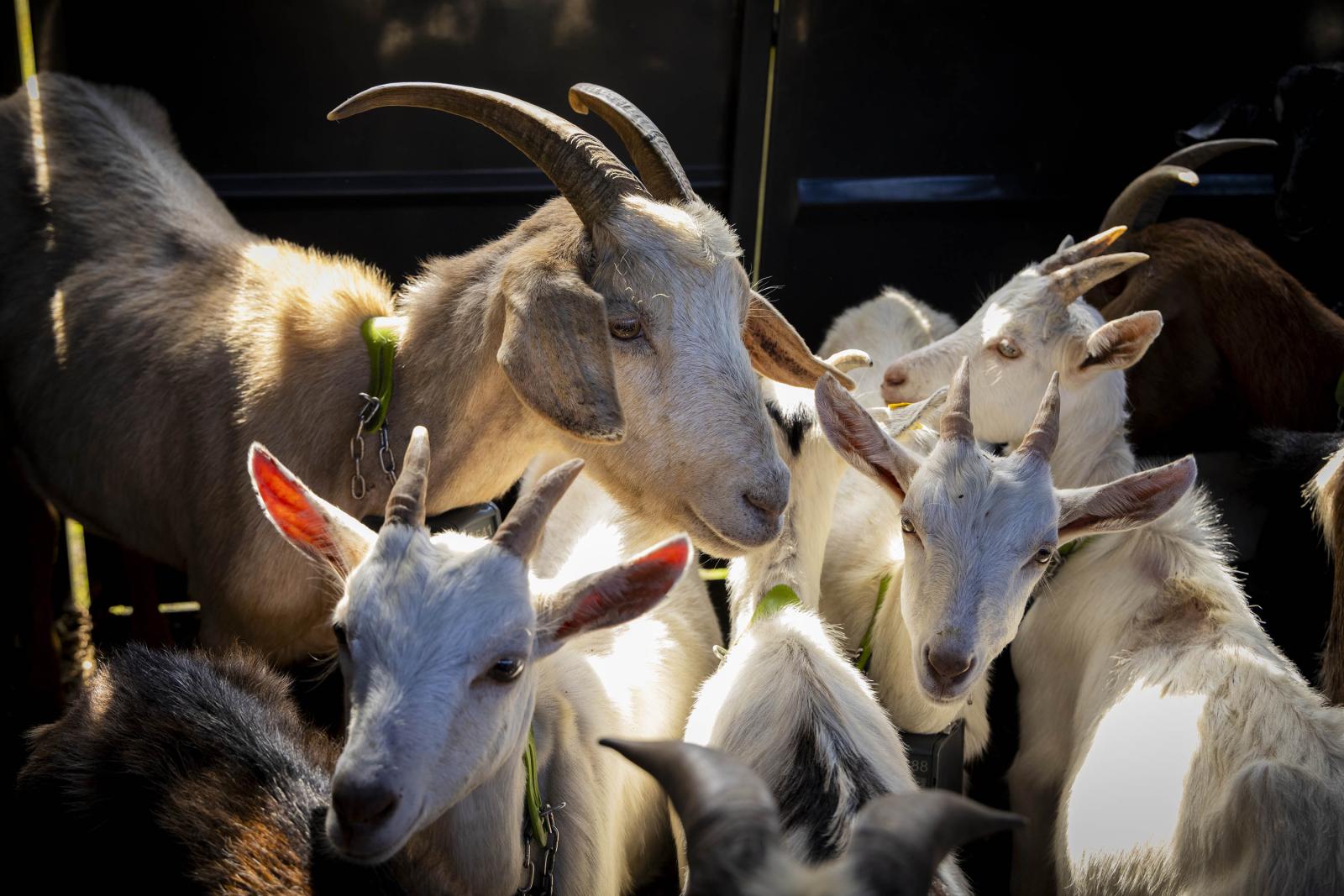
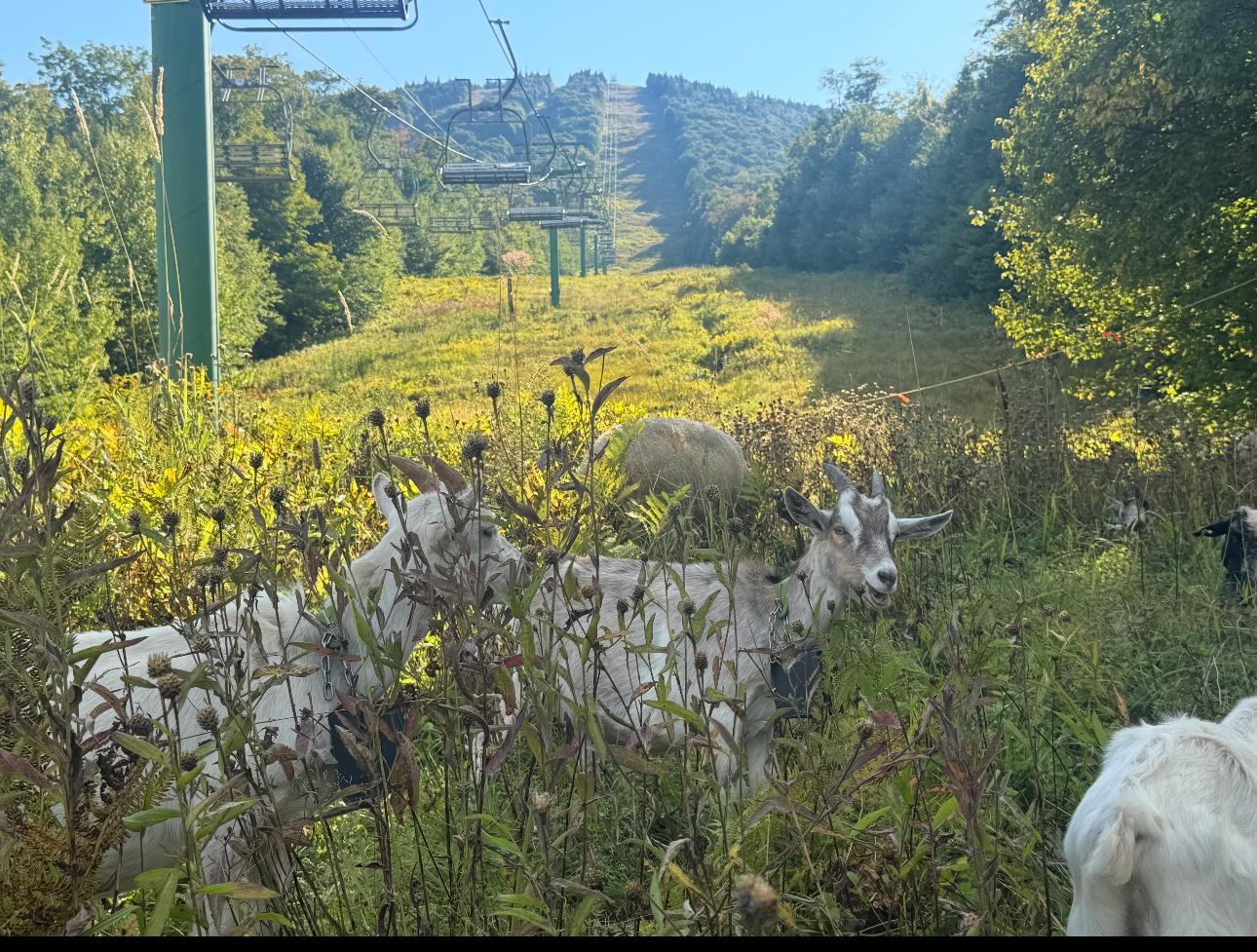
Because they’ll eat what nothing else wants—poison ivy, sumac, invasive weeds, all of it. It’s called goatscaping, and it’s been around for centuries. We like it because it’s organic, chemical-free, and just about the lowest-impact way to clear trails short of doing nothing at all.
Why Now?
Normally, fall prep means 340 acres of trimming with crews of 10 seasonal workers hauling heavy equipment up and down the hill. That uses a lot of fuel. This pilot program helps cut back on emissions, reduces noise, and supports Vermont farmers in the process. If the herd gets the job done, we’ll look at expanding next year. If not? We’ll finish with the mowers in October. Either way, winter operations won’t miss a beat.
So if you’re up around Stateside and spot some goats chewing through a glade, don’t worry—they’re supposed to be there. They’re working for your ski season.